
Surprise, I’m back on this blog after almost two years because Instagram has a character limit and I wanted to share all these thoughts on some books I read! Please enjoy.
Unlike last year, I did manage to hit my yearly goal of reading at least (in this case, exactly [on average]) two books per month! But as a lifelong fantasy diehard, I surprised myself by how much I enjoyed reading outside of my comfort genre. This was actually the most non-fiction I’ve read in a year ever. Partially inspired by my recent-ish interest in clothes and style, partially inspired by wanting to brush up my personal science education, and partially inspired by books I stumbled upon in the UK that I thought looked cool.
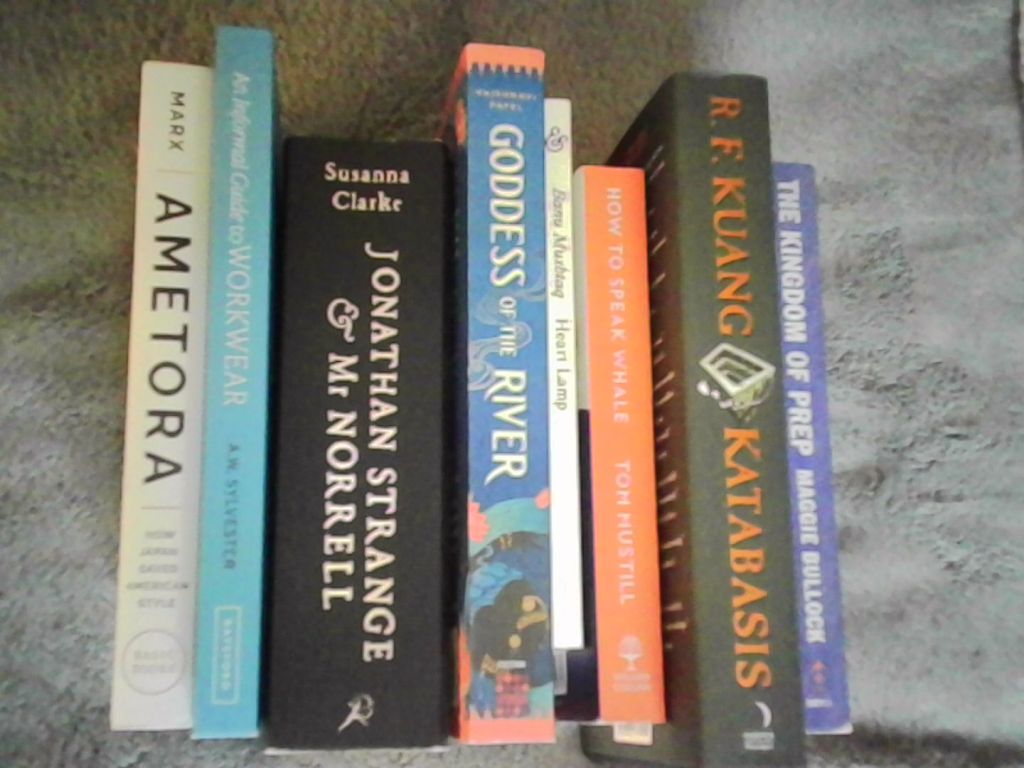
Without further ado, some of this year’s highlights (as captured by my tiny Kodak Charmera):
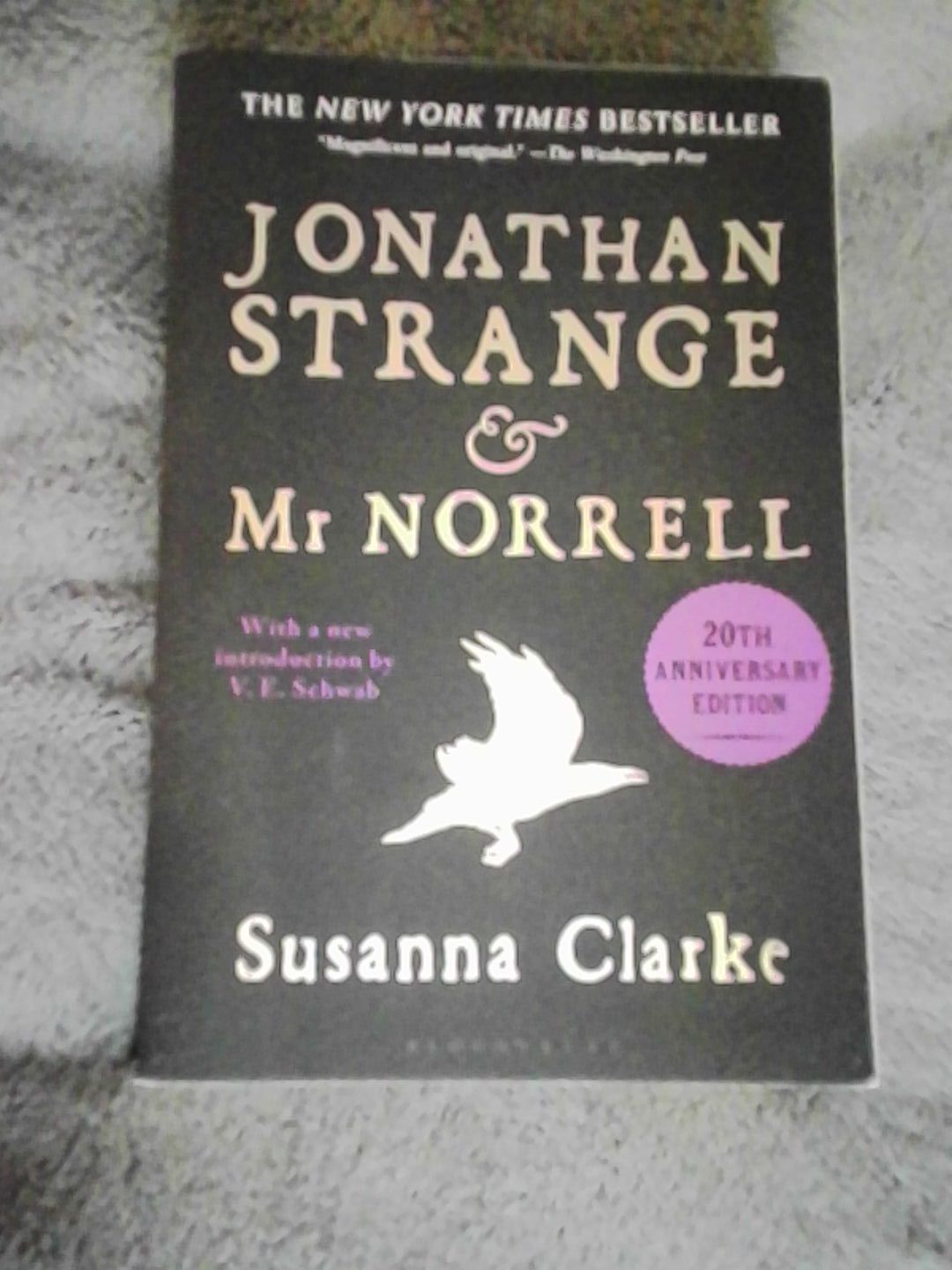
Jonathan Strange & Mr Norrell: I’ve wanted to dig into this since reading Susanna Clarke’s Piranesi, and I have to say JS&MR is an all-timer for me. I struggled with competing desires to finish this one quickly (so I could continue shortening my TBR stack) and to take my time with the joy of SC’s writing. What business does she have writing such banger lines for side characters like Mr Lascelles (see pg. 95 – ‘Tis a Pity She’s a Corpse)? In many great fantasy stories, performing magic is associated with a cost or barrier; in this book, the barrier is the fussiness of 19th-century English gentlemen, and yet you don’t lose out on the stakes. It hits the sweetspot between whimsical and dramatic. Loved this one so much that we had a picnic lunch outside Mr Norrell’s house in Hanover Square while visiting London earlier in the year.
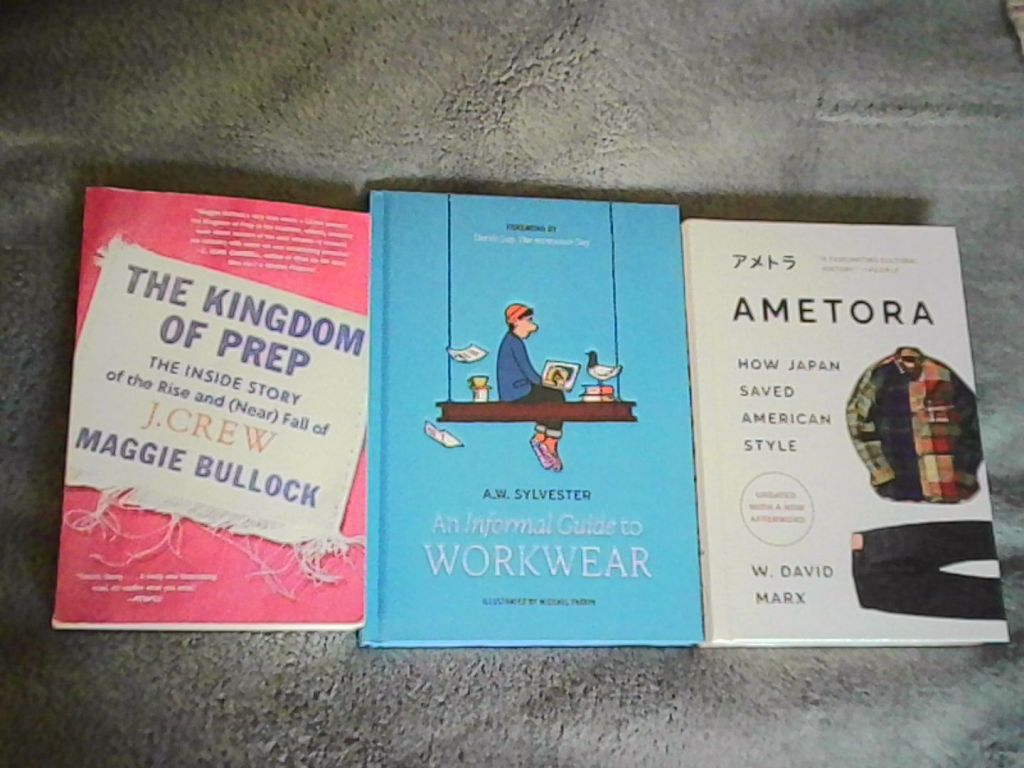
The Kingdom of Prep / An Informal Guide to Workwear / Ametora: These are but some of the media I consumed in my continuing self-education on the history and utility of clothes, both in business and in style. I particularly loved Ametora, which was a real contextualization for me of what it was like in post-war, occupied Japan, and what role the circumstances of an entire country played in the comeuppance of an aesthetic style that still has a hold in Japan and in the US. I have a lot more to say on the topic(s) of clothes. But I have a lot more to learn first.
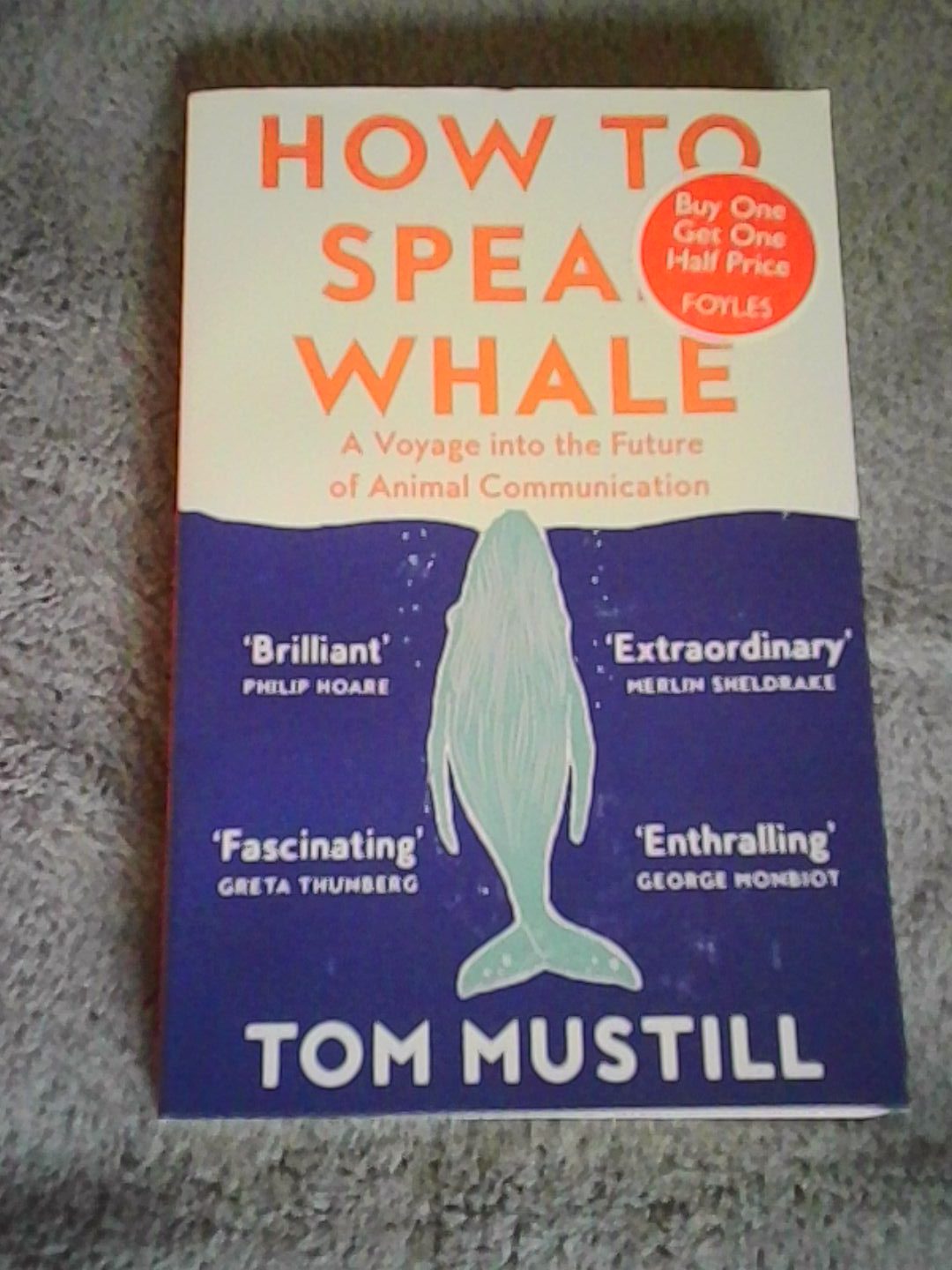
How to Speak Whale: A surprise hit of the year on my reading list this year! Happened to pick this one up in Foyle’s and absolutely loved it. Couldn’t help but share all the fun facts I learned with anyone who would listen. It also made me realize that I really love whales. Did you know that the indigenous Yuin of Australia had a long history of cooperation with killer whales? Sadly, it was in the pursuit of hunting other whales…
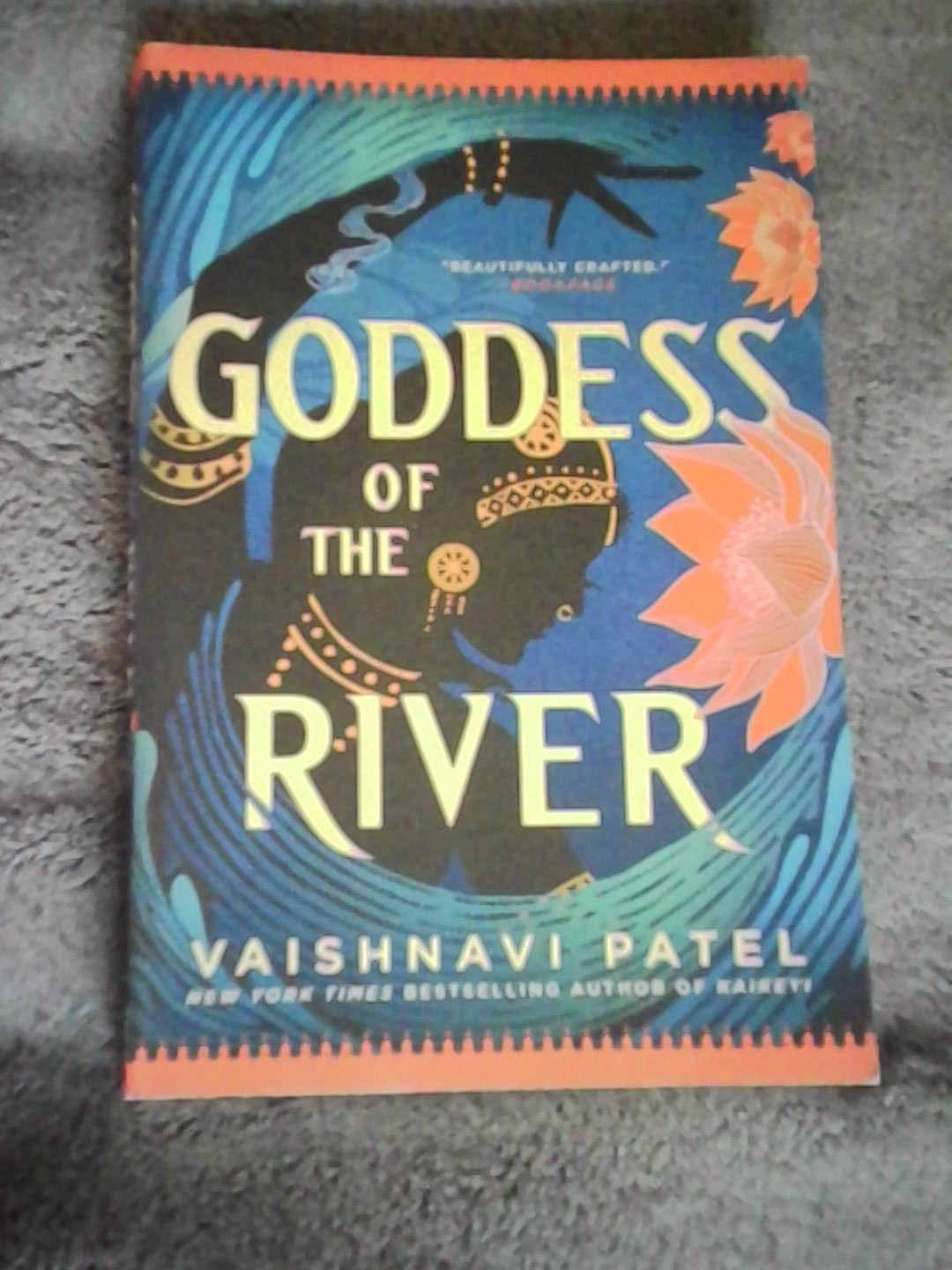
Goddess of the River: I think I just really like Vaishnavi Patel’s writing style, or at least her ability to make me super invested in her characters, even if her character is a river. It was very interesting (and helpful) to have read this AFTER seeing the live, two-part staged production of Mahabharata at Lincoln Center (a production we barely missed while living in London two years ago!). After Kaikeyi, and now this, I’ll basically read any reimagined mythology that VP writes.
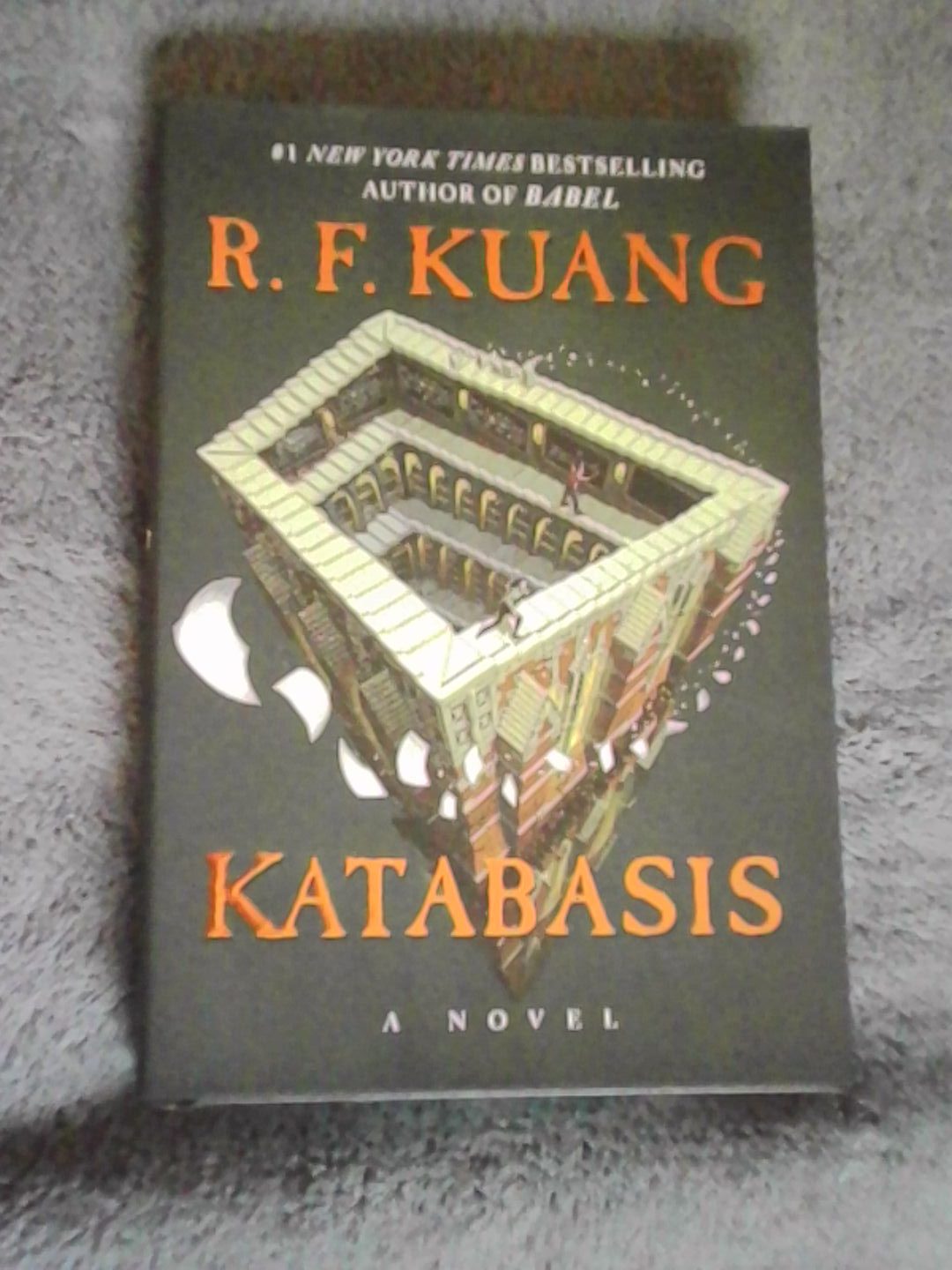
Katabasis: I have to at least shout this one out because my fiance surprised me with tickets to see R. F. Kuang’s book tour. Very cool to see her fill up an entire auditorium (and need to add a second showing for the night) after the more intimate affair at Union Sq B&N for Yellowface! Mild thematic spoilers: this book did a great job in exploring 1) the scars of a toxic relationship, 2) discovering the ability to love one’s self, and 3) how the love of another person can help achieve 2, and 4) how 2 makes loving another possible. All of this through a very interesting academia x afterlife lens.
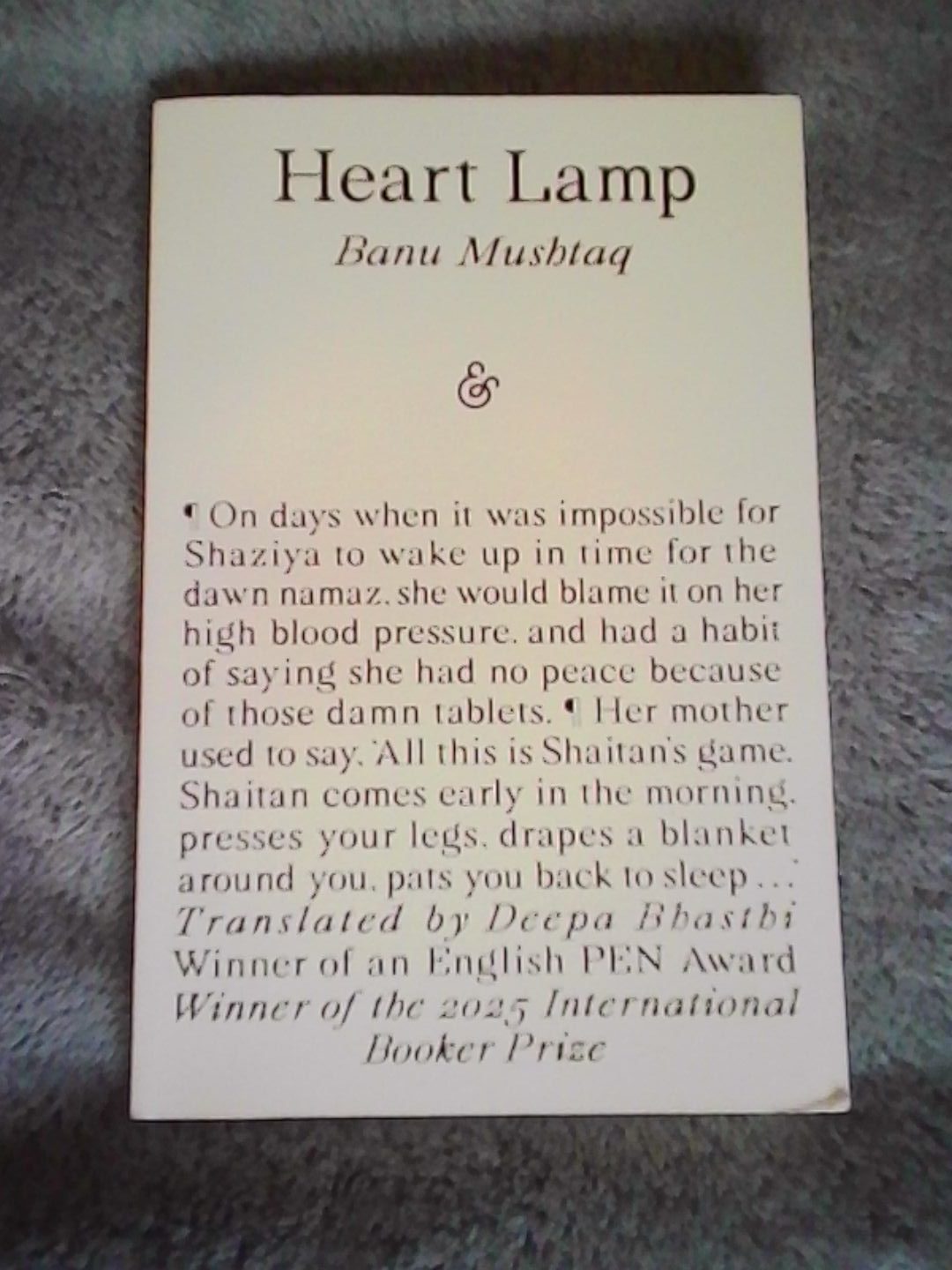
Heart Lamp: I don’t read much in the way of translated works, but this Kannada-translated International Booker Prize winner intrigued me. Although it’s primarily written through the experience of Muslim women, I saw my own life experiences in a South Asian family/community reflected through the short stories. There were a lot of words I didn’t recognize, but I picked up on context clues (and Googled stuff). Some of the stories were especially poignant, including “A Taste of Heaven” (I like Pepsi too) and “The Shroud,” while some were ridiculous, and, unfortunately, believable (“The Arabic Teacher and the Gobi Manchuri”). Though, admittedly, the last one made me hungry for gobi manchurian.
The above were definitely among the most impactful for me of the year, but here are a couple more blurbs with thoughts that I happened to write down. No pictures for these.
Edible Economics: This is an interesting, non-technical discussion of economic theories and concepts with, most of the time, tenuous connections to food. The chapters were structured in three parts: 1) brief food history, 2) economic discussion, 3) sort of linking the economic arguments to the food history. Admittedly, I expected this to be a book more about the economics of various foods and to include more history on dishes (given the book’s sub-title: “The World in 17 Dishes,” to which it did not live up). It did not meet this prompt. Instead, it argued for progressive economic ideas and policies that I found compelling enough. Had it not been for the food hook, I’d likely have never picked up this book about economics, so although it wasn’t what I expected, I’m glad to have learned some new things.
Status & Culture: Another book by W. David Marx. I actually read this one before Ametora. It gets very granular on the makeup of…well, 1) status, and 2) culture. I appreciated that, at some point, I found myself wondering where “taste” fits in, only to find that the next section covered that exact topic. This book is about the language of status in which we all (sometimes begrudgingly) take part in, whether we like to or not. As the author points out, even the absence of a “cue” communicates soomething about one’s status. Some quotes that stuck out to me.
Kant, re: taste – “the faculty of estimating the beautiful.”
“Our hearts draw no clear lines between functionality, pleasure, and status seeking.”
Jean Cocteau – “Art produces ugly things which frequently become more beautiful with time. Fashion produces beautiful things that become ugly with time.”
That’s all for this year!


